
In today’s increasingly connected world, speaking more than one language is no longer just an advantage—it is becoming a necessity. While English remains the dominant international language, French continues to hold tremendous value in education, employment, immigration, and global networking.
For international students planning to study, work, or settle abroad, learning French can be one of the smartest investments they make in their future.
Whether your goal is to improve your career prospects, increase immigration opportunities, or gain a competitive edge in the job market, French can open doors that may otherwise remain closed.
At LinguoPrep, we encourage students to look beyond traditional language requirements and consider how additional language skills can shape their future.
In this article, we explore the many Benefits of Learning French for International Students and explain why it may be one of the most valuable skills you can develop.
Key Insight: Learning French can support international students with career growth, Canadian immigration, academic opportunities, global networking, and long-term professional development.
Why French Matters in Today’s World
French is much more than a language spoken in France. It is one of the world’s most influential languages and is spoken by more than 300 million people across multiple continents.
French is an official language in countries across Europe, North America, Africa, and the Caribbean.
It is also one of the official or working languages of major international organizations, including:
- The United Nations
- The European Union
- The International Olympic Committee
- UNESCO
- NATO
Because of its global presence, French creates opportunities far beyond a single country.
ALSO READ:Why French Is Becoming the Smartest Language to Learn for Canada PR in 2026
Learning French Expands Your Global Opportunities
One of the biggest advantages of learning French is the ability to communicate with millions of people around the world.
French is spoken in more than 50 countries and territories. This means your language skills can remain valuable whether you pursue opportunities in:
- Canada
- France
- Belgium
- Switzerland
- Luxembourg
- French-speaking African countries
- International organizations
For international students, language skills often become a passport to new experiences, cultures, educational opportunities, and professional networks.
French Creates Stronger Career Opportunities
Employers increasingly value multilingual candidates. In many industries, bilingual or multilingual employees enjoy advantages over candidates who speak only one language.
French can be particularly valuable in sectors such as:
- International business
- Customer service
- Tourism and hospitality
- Government services
- International relations
- Healthcare
- Education
- Technology
Companies that operate globally often seek employees who can communicate with clients, partners, and customers in multiple languages.
For this reason, one of the most practical French language benefits is improved employability.
A Competitive Advantage in the Job Market
Today’s job market is highly competitive. Many candidates possess similar educational qualifications, certifications, and work experience.
Language skills can become the factor that differentiates you from other applicants.
Imagine two candidates applying for the same role:
- Both have similar degrees
- Both have similar experience
- One speaks only English
- The other speaks English and French
The bilingual candidate often has a significant advantage because they can communicate with a wider range of clients, customers, and colleagues.
Learning French demonstrates dedication, adaptability, and strong communication skills—qualities employers value highly.
Career Insight: When two applicants have similar qualifications, French language proficiency can become the deciding factor during recruitment.
French Can Boost Immigration Opportunities
One of the most discussed benefits of learning French for international students in Canada is its impact on immigration pathways.
Canada actively supports bilingualism and recognizes the importance of French-speaking immigrants.
Depending on immigration programs and eligibility criteria, French language skills may provide:
- Additional immigration points
- Enhanced eligibility for specific programs
- Access to Francophone pathways
- Greater employment opportunities in bilingual regions
- A stronger long-term settlement profile
For students planning long-term settlement, French can significantly strengthen immigration profiles.
ALSO READ:Ontario French-Speaking Skilled Worker Stream
Increased CRS Points for Canada
Students pursuing Canadian permanent residency often focus heavily on English language tests. However, many overlook the potential benefits of French.
Strong French proficiency can contribute additional Comprehensive Ranking System points under Canada’s Express Entry system.
For some candidates, these extra points can make a substantial difference in receiving an Invitation to Apply for permanent residency.
This is one reason why many candidates choose to learn French for immigration as early as possible.
Immigration Tip: French can complement a strong English score and may provide additional CRS advantages for eligible Express Entry candidates.
Greater Employment Opportunities in Canada
Canada is officially bilingual, recognizing both English and French. While English dominates in many regions, French remains highly valuable across the country.
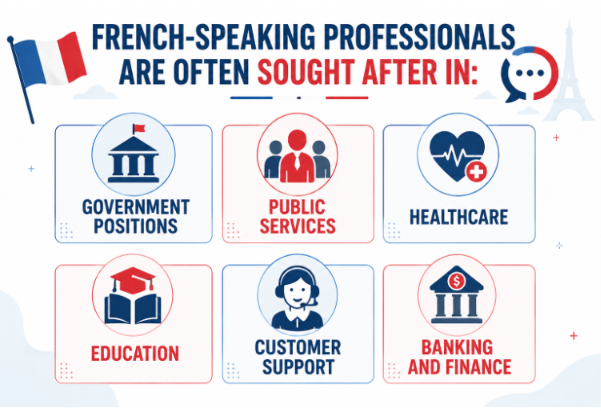
French-speaking professionals are often sought after in:
- Government positions
- Public services
- Healthcare
- Education
- Customer support
- Banking and finance
Bilingual employees frequently enjoy broader employment opportunities and greater career flexibility.
Better Communication Skills Overall
Learning a second language often improves your understanding of your first language.
Students who learn French frequently develop:
- Better grammar awareness
- Stronger vocabulary
- Improved writing abilities
- Enhanced listening skills
- Greater communication confidence
These improvements benefit both academic and professional communication.
Language learning strengthens overall communication competence, which is valuable in virtually every career field.
Cognitive Benefits of Learning French
The advantages of learning French extend beyond academics, employment, and immigration.
Language learning can support:
- Memory development
- Problem-solving skills
- Critical thinking
- Concentration
- Mental flexibility
Learning French requires your brain to process information differently, helping strengthen important cognitive abilities.
For students, these benefits can contribute to stronger academic performance.
Access to World-Class Educational Opportunities
French proficiency can expand educational possibilities for international students.
Many universities and institutions in French-speaking countries offer high-quality programs and research opportunities.
Students who speak French may gain access to:
- Additional degree programs
- Exchange opportunities
- Scholarships
- Research collaborations
- International academic networks
Language skills can broaden educational options significantly.
ALSO READ:Can French Help in Getting Canadian Citizenship?
Easier Cultural Integration
Students moving abroad often face challenges adjusting to new environments. Language plays a major role in successful integration.
French proficiency allows students to:
- Build local friendships
- Participate in community activities
- Understand cultural nuances
- Navigate daily life more confidently
- Communicate with local residents
Feeling connected to a community can improve both academic success and personal well-being.
Access to French-Speaking Communities
One of the often-overlooked Benefits of Learning French for International Students is access to French-speaking communities.
French-speaking communities exist worldwide. Whether in Canada, Europe, Africa, or the Caribbean, French creates opportunities to connect with diverse groups of people.
These connections can help students build valuable personal relationships, cultural understanding, and professional networks.
French Supports Better Travel Experiences
Travel becomes more rewarding when you can communicate with local people.
French is one of the most widely spoken international languages. Knowing French can enhance travel experiences in numerous countries and make everyday interactions easier.
French can help travellers:
- Communicate with local residents
- Understand signs and instructions
- Navigate transportation more easily
- Explore local culture
- Handle common travel situations confidently
Language skills help transform tourists into active participants in local cultures.
French Opens Doors to International Business
Global companies increasingly operate across borders. Organizations value employees who can work effectively in multilingual environments.
French remains a major language of international commerce, particularly in Europe, Africa, Canada, and international organizations.
Students interested in global careers often find French to be a powerful professional asset.
Improved Confidence and Personal Growth
Learning a new language is a challenging achievement. As students progress in French, they often experience significant personal growth.
Students may develop:
- Increased confidence
- Greater independence
- Stronger adaptability
- Enhanced resilience
- Improved learning discipline
Successfully learning another language demonstrates the ability to overcome challenges and continuously learn.
These qualities benefit both personal and professional development.
Personal Growth Insight: Learning French builds more than vocabulary. It can also improve confidence, discipline, adaptability, and independence.
Why International Students Should Start Early
Many students delay learning French until they need it for immigration or employment purposes. However, starting early offers significant advantages.
Early learners have more time to:
- Build vocabulary
- Improve speaking skills
- Develop confidence
- Strengthen pronunciation
- Achieve higher proficiency levels
- Prepare for recognized French language tests
Language learning is most effective when approached as a long-term investment rather than a last-minute requirement.
How to Start Learning French
If you are considering learning French, begin with a structured plan.
Listening
Listen to French podcasts, videos, conversations, and news broadcasts to become familiar with natural pronunciation.
Speaking
Practice regularly with instructors, classmates, or language partners to build confidence.
Reading
Read simple French articles, books, short stories, and educational content.
Writing
Develop grammar, vocabulary, and sentence construction skills through consistent writing practice.
Professional Guidance
Enroll in structured French language training programs for faster and more focused progress.
Why LinguoPrep Can Help
At LinguoPrep, we understand that learning a language is about more than passing a test.
Our French language programs help students:
- Build practical communication skills
- Prepare for recognized French language exams
- Strengthen immigration profiles
- Expand educational opportunities
- Achieve long-term career goals
- Improve speaking confidence
With expert guidance and structured learning plans, students can develop French proficiency efficiently and confidently.
Related Articles
- CELPIP to CLB Conversion Explained for Express Entry
- Ontario French-Speaking Skilled Worker Stream
- Can French Help in Getting Canadian Citizenship?
- Is TEF Easier Than IELTS?
- Why French Is Becoming the Smartest Language to Learn for Canada PR in 2026
Conclusion
The Benefits of Learning French for International Students extend far beyond language acquisition.
French can improve career opportunities, strengthen immigration prospects, enhance communication skills, support academic success, and provide access to a global network of opportunities.
In an increasingly competitive world, multilingualism is becoming a powerful advantage. Students who invest in learning French today can position themselves for greater flexibility, broader opportunities, and long-term success.
Whether your goal is studying abroad, building an international career, or pursuing immigration pathways, French may be one of the most valuable skills you can add to your future.
Contact LinguoPrep today and start your French learning journey.
Final Insight: French can help international students improve their employability, expand academic options, strengthen immigration profiles, and build successful global careers.
Frequently Asked Questions
1. Why should international students learn French?
French can improve career opportunities, immigration prospects, global communication skills, and access to international education.
2. Is French useful for immigration to Canada?
Yes. French proficiency can strengthen immigration profiles and may provide additional opportunities under eligible pathways.
3. How long does it take to learn French?
The timeline depends on consistency, study methods, individual learning pace, and the student’s target proficiency level.
4. Can learning French improve job prospects?
Yes. Many employers value bilingual and multilingual candidates, especially in global and customer-facing roles.
5. Is French difficult to learn?
Like any language, French requires practice, but structured learning and consistent guidance make the process manageable.
6. What industries value French language skills?
Business, healthcare, government, education, hospitality, tourism, technology, and customer service commonly value French skills.
7. Does French help with CRS points?
French language proficiency may contribute additional points under eligible Canadian immigration pathways and current rules.
8. Can students learn French while studying?
Yes. Many students successfully combine French language training with their academic programs by following a structured schedule.
9. Is French spoken outside France?
Yes. French is spoken across Europe, North America, Africa, the Caribbean, and many other regions.
10. How can LinguoPrep help me learn French?
LinguoPrep offers expert training, structured courses, practical speaking support, exam preparation, and personalized guidance.
